

When Jesus Asked for Help
walking the footsteps of Jesus does not involve a savior complex

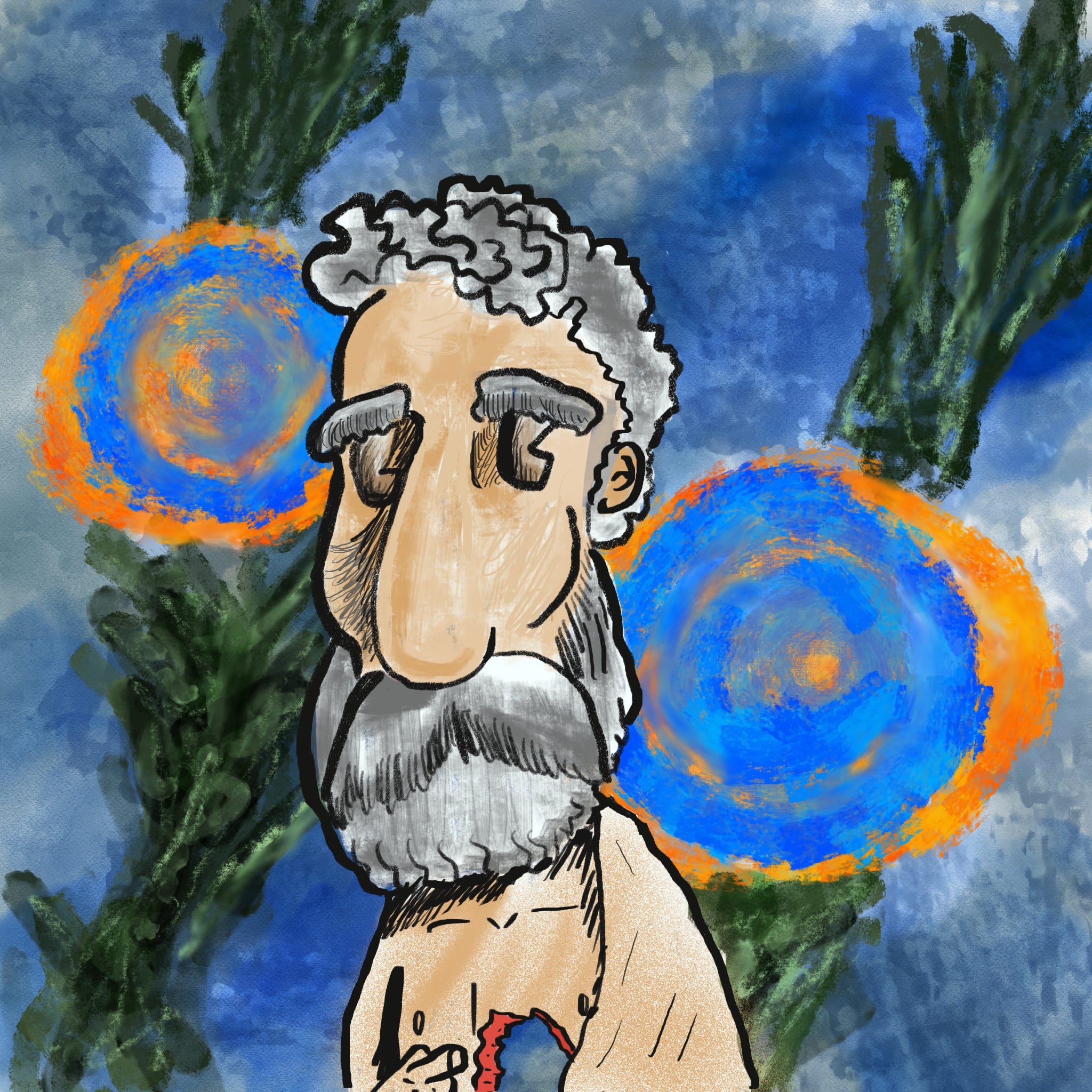
This is a story of four friends.
One a fisherman with an attitude, with a tongue faster than his brain. The leader of the community.
The other two were impulsive and craved power, but they were starting to see it was not their own power they craved, but that of another world (that actually was about to look a lot like weakness).
Finally, there was the founder of this new, burgeoning community.
A community that loved and shared life, and would completely change the world.
If you have familiarity with the biblical story, you may have already figured who I am speaking of: Peter, James, and John, and Jesus. And they were friends.
However, when we think of them, we often think of them as holy, belonging on the sides of beautiful cathedrals and in stained glass. And, fair enough— they are, and they do. Especially Jesus.
We can’t let this take away from the fact of their deepest humanity. Theology at its best makes Jesus more earthy, and human, not less. A Jesus with sand between the toes, feet on the ground, blood from the veins, and tears from the eyes. That Jesus is divine.
And its a Jesus with friends— a Jesus with needs, needs that are met by friends, by community.
It was in our passage today these needs were revealed:
{Matthew 26:36-46}
Then Jesus went with them to a place called Gethsemane, and he said to his disciples, “Sit here, while I go over there and pray.” And taking with him Peter and the two sons of Zebedee, he began to be sorrowful and troubled. Then he said to them, “My soul is very sorrowful, even to death; remain here, and watch with me.” And going a little farther he fell on his face and prayed, saying, “My Father, if it be possible, let this cup pass from me; nevertheless, not as I will, but as you will.” And he came to the disciples and found them sleeping. And he said to Peter, “So, could you not watch with me one hour? Watch and pray that you may not enter into temptation. The spirit indeed is willing, but the flesh is weak.” Again, for the second time, he went away and prayed, “My Father, if this cannot pass unless I drink it, your will be done.” And again he came and found them sleeping, for their eyes were heavy. So, leaving them again, he went away and prayed for the third time, saying the same words again. Then he came to the disciples and said to them, “Sleep and take your rest later on. See, the hour is at hand, and the Son of Man is betrayed into the hands of sinners. Rise, let us be going; see, my betrayer is at hand.”
Brene Brown, LCSW, is a shame and vulnerability researcher. At first it was only female vulnerability and shame. She shares a story where she was approached by a male who’s wife and daughters were excited to get their books signed by her at a book signing. As he approached, I imagine him with a frown.
“I love what you have to say about shame, I’m curious why you didn’t mention men.”
And she said, “I don’t study men.”
And he said, “That’s convenient.”
A lump developed in her throat— she was taken aback she reports. He followed this with:
“And he said, ‘Because you say to reach out, tell our story, be vulnerable. But you see those books you just signed for my wife and my three daughters?’”
She said, “Yeah.”
“They’d rather me die on top of my white horse than watch me fall down. When we reach out and be vulnerable, we get the @!#@ beat out of us. And don’t tell me it’s from the guys and the coaches and the dads. Because the women in my life are harder on me than anyone else.”1
And based on her published finidings, this seems to be the case about men. For a long time she saw that men were very good at “performative vulnerability”, because their female spouses or partners, would want them to be vulnerable, but when they actually were vulnerable, they were completely rejected. So they have mastered “acting vulnerable”, rather than actually showing their deepest fears or expressing their deepest needs.2
Because of this, men have a difficult time taking the leap into vulnerability.
However we have hope. Jesus is vulnerable. He asks for help. He shows he is hurting.
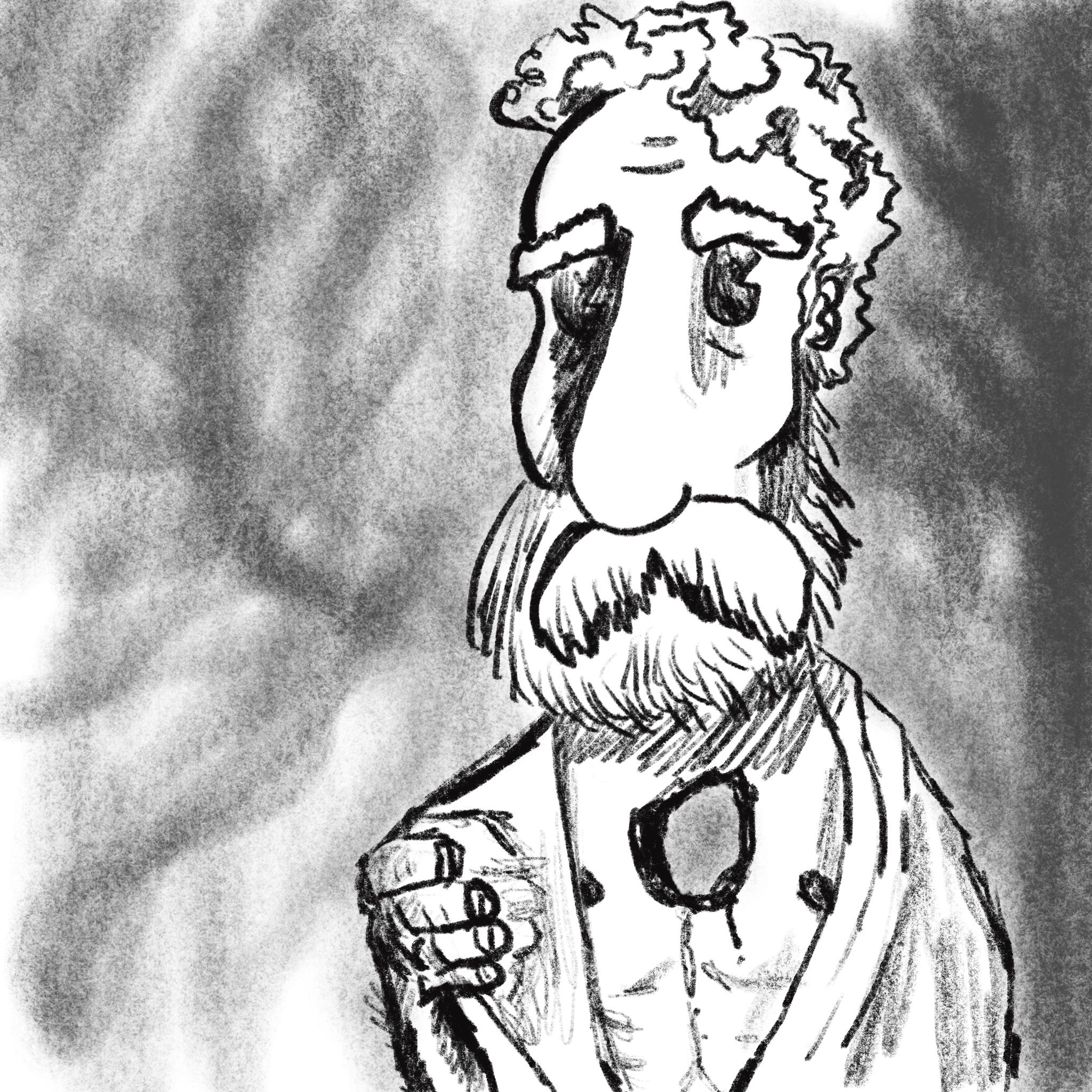
“My soul is very sorrowful, even to death”
When was the last time, my male readers, you said this to another male, or even harder, a female? When was the last time my female readers who also struggle with emotional disclosure, said something so vulnerable and tender?
The last time you opened your heart and exposed your woundedness?
Male mental health is at an all time low, and this conversation around vulnerability may be a key.
Data from the American Foundation for Suicide Prevention found this:
In 2022, men died by suicide 3.85 times more than women.
White males accounted for 68.46% of suicide deaths in 2022. 3
All of this data is here, and yet studies show that women suffer more from mental health issues than men.
So is it true that women suffer more than men, or are they more willing to be vulnerable than men about their struggles?
Throughout the story of the Gospels, it is men who are verbose and proud, showing Jesus they are “strong”. Just before our passage, Peter is denying Jesus’s predicting of his denial. Peter can’t let himself seem weak, seem scared.
It is the women who tell Jesus that they are weak. Take Mary for example in John 11, telling Jesus:
“If you would’ve been here Lord, my brother would not have died”, in her grief, having the vulnerability and audacity of accusing the Lord of absence. And Jesus didn’t rebuke her, he met her vulnerability with his vulnerability. He wept with her.
Even if men, or women who struggle with emotional disclosure, were vulnerable, would it be met with vulnerability in return, or would it be met by the response that Peter, James, and John showed, sleeping, avoiding? It seems they are caught covering up rather than exposing due to the fear of seeing their Master and friend so vulnerable. And it wasn’t just here in the Garden.
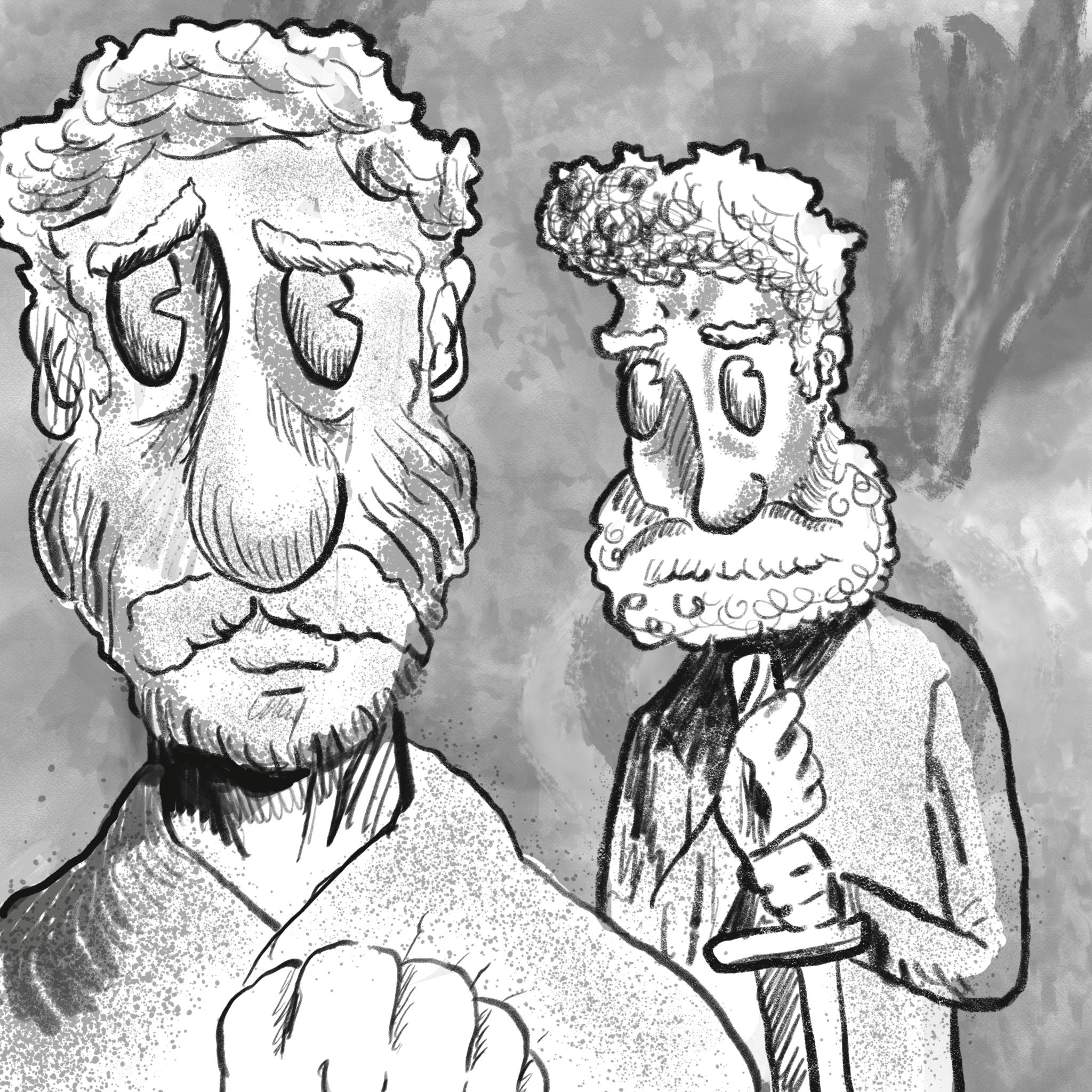
It was every time Jesus mentioned his ultimate vulnerability— his death— they would often say things like:
"Never, Lord!" Simon Peter (one of his friends) said. "This shall never happen to you!"
Simon couldn’t imagine the vulnerable Jesus. He preferred a masculine messiah, breaking empires and taking names! But instead he gets rebuked.
“Jesus turned and said to Peter, "Get behind me, Satan! You are a stumbling block to me; you do not have in mind the things of God, but the things of men." Then Jesus said to his disciples, "If anyone would come after me, he must deny himself and take up his cross and follow me.” (Mt. 16:22-24).
Taking up your cross, if looking at it through this lens, is willing to be completely vulnerable and honest at every moment. We all have crosses. We can either bear them and follow Jesus with them (which means revealing them to our trusted people in vulnerability), or try to throw them away, pretend they don’t exist, and deny them.
We may say we want more honesty and vulnerability from our partners or friends. But when it comes down to it, can we bear it?
“Bear one another's burdens, and so fulfill the law of Christ” Galatians 6:2.
Just like many of us in response to vulnerability, our spirits may be willing to meet them in their vulnerability, but the flesh is weak.
Can you hear Jesus, nature humming its song around him, and yet he is weeping. The creator of the very cross he is about to hang on— weeping, and when he reached out to his friends, they were asleep. They could not hold space for his vulnerability. It is a challenge. This is not an easy task.
But it is necessary.
In this story of four friends, there are more friends then just them. Twelve friends in fact. And after Jesus dies, there’s this story where he raises again (which was proof that the kingdom he was promising—that would restore creation from its broken state and bring New Creation—was starting with him and his resurrection from the dead) and he is surrounded by his friends. These were his friends who felt the trauma and loss of their mentor and friend, brutishly and shamefully killed nakedly on a cross. And Thomas, one of his friends, is invited by Jesus, not just to hold space for Jesus’s vulnerability (as Peter, James, and John were asked to do in the Garden), but to touch his wounds, enter into them. Maybe this is what Jesus is inviting us to.
For him to touch our wounds, not just to confess our sin, but to invite him into the wounds that caused the sin, for him to live in it, and love the hell out of it, until there is life where woundedness once was. Like a plant rising up from the ashes after a seed is planted, watered, and nourished by the sun.
And maybe that woundedness can be a home for others after Christ has performed his miraculous and slow healing of our leper souls. As Henri Nouwen states in his book Wounded Healer, our wounds can be a place of hospitality for others to discover their own woundedness and begin to invite healing.4
If we cannot hold our own wounds, as Jesus did, and be vulnerable and expose our hurt selves to others, we cannot hold that space for others to be vulnerable and be healed by Jesus. And maybe this is one of the deepest, relational dimensions of following Jesus. Because relationship is everything in this life. No one births himself. No one baptizes himself, that doesn’t happen. We are dependent from birth. There is no self made man or girl boss.
First, the invitation is to ask Jesus for help, so that your broken places made whole, your shame turned to joy, by his sacrifice of love.
Next, is to follow Jesus after we are saved by him. And that means, from our passage, to showing your sister, your brother, your neighbor, your trusted people your hurt places, and asking them to help when you are hurting.
Following him into vulnerability is the hardest, most beautiful step we take.
But that’s when we know true friendship, with him, who makes all things new, and with our trusted people.
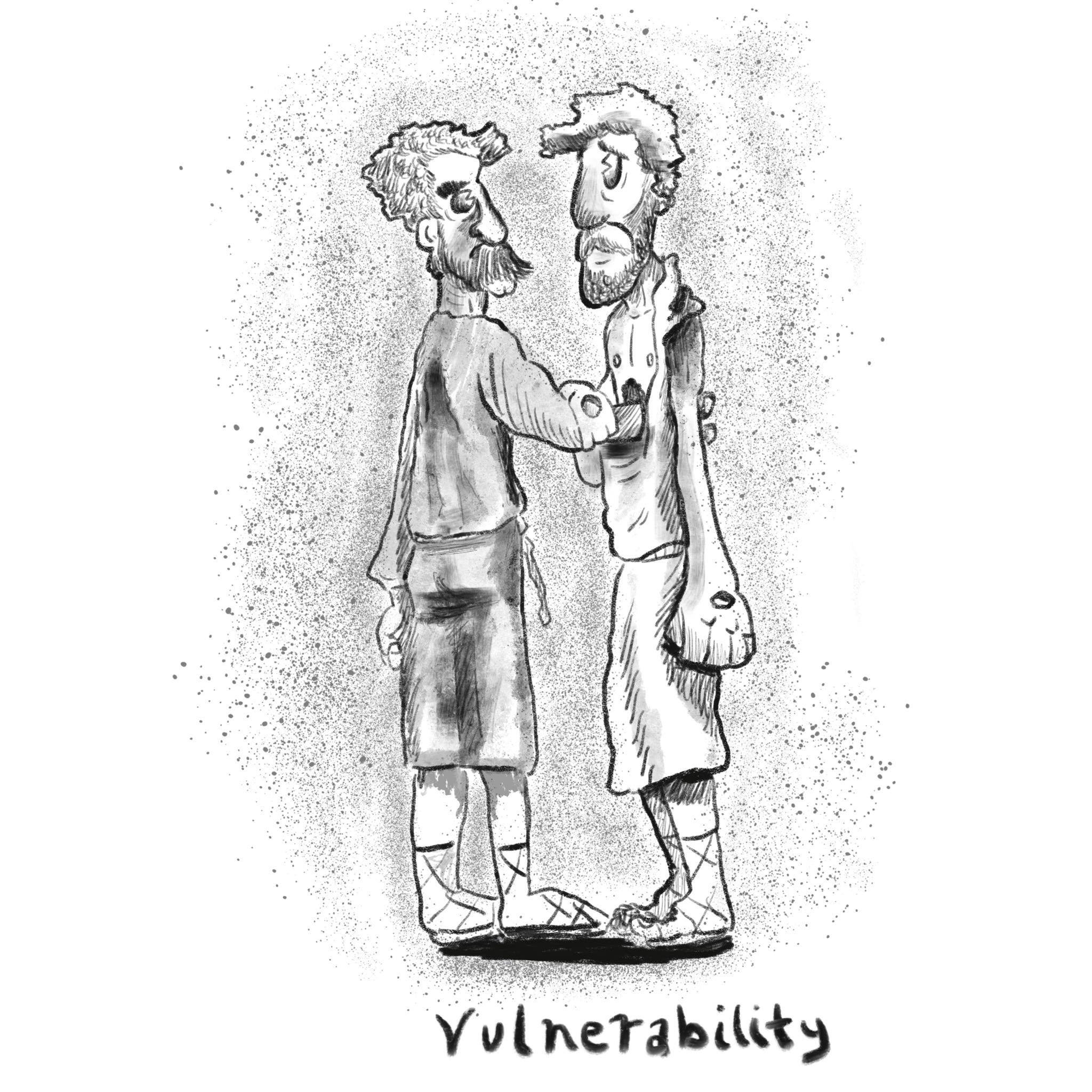
Vulnerability is when our wounds become meeting houses of hope and new creation for other wounded people. And although risky, it feels worth the risk to me.
BENEDICTION:
May your bear in your body the scars of Christ
May his vulnerability be your vulnerability
May you become undiginified like David
Show your excitment and your fear
Be brave by asking for help from your trusted people
And love your neighbor as you continue to love yourself.
Amen.